


Enhancing Market Transparency: SEBI’s Initiative to Establish a Performance Validation Agency

By Varun
INTRODUCTION
Investors today depend heavily on intermediaries such as brokers, portfolio managers, research analysts and investment advisers for guidance in the financial markets. Intermediaries typically market themselves by citing their past performance record which ultimately influences the decision-making process of investors. However, there has been a long-standing concern about the validity or accuracy of these intermediary performance claims.

Source :Indianexpress.com
To help address this problem, the Securities and Exchange Board of India (SEBI) has proposed the establishment of a Performance Validation Agency (PVA) to verify performance claims made by market intermediaries, and only present investors with accurate, standardized and comparable data.
The proposed system will improve the transparency of data, reduce the use of deceptive practices, and thereby enhance the level of confidence investors have in the Indian capital markets.SEBI regulates capital markets to ensure transparency and protect investor interests.The proposed Performance Validation Agency strengthens regulatory oversight.

Source : visionias.in
HISTORICAL BACKGROUND
The need for some way to validate that performance is accurate stems from many instances of misinformation and a lack of transparency within financial markets. An example of this would be the Harshad Mehta scam (1992), where many vulnerabilities were exposed with the financial system and regulatory oversight. Subsequent to this event, SEBI came up with various initiatives to regulate intermediaries and protect the interests of investors, including promulgating rules regarding the need for disclosure standards and advertising standards.
However, intermediaries continue to present performance data in a selective manner, consistently showcasing successful investments and failing to showcase unsuccessful investments. As a result, investors receive misleading information indicating that they have received a consistently high level of return from their investments. Considering the explosive growth of retail investors in India, particularly attributable to the recent COVID-19 pandemic, there has been an increased need for standardized and verified means of reporting performance data. This proposal for a performance validation authority (PVA) is an attempt to meet the challenges posed by evolving capital markets.Intermediaries often highlight only positive returns while hiding losses.This creates unrealistic expectations and misleads investors.

Source : tradingview.com

Source :investopedia.com
REASONS - WHY SEBI PROPOSED THIS & HOW IT WORKS
Deceptive Performance Claims
This leads to a misrepresentation of the performance of many intermediaries due to the fact that they tend to selectively illustrate their positive results while not illustrating any of their periods of negative results, leading investors to make uninformed investment decisions.
Lack of Standardization
The method of measuring the return on investment is not standardized, causing difficulties for investors wanting an objective measure of the performance of intermediaries.
Rise of Retail Investors
The number of retail participants in the Indian capital markets has increased greatly in the past few years; many of these investors have little to no experience with investments and are most susceptible to misleading performance claims.
Need for Transparency & Accountability
There is a need for a centralized system through which a standardized, accurate and verifiable system of reporting on the performance of intermediaries can be established.
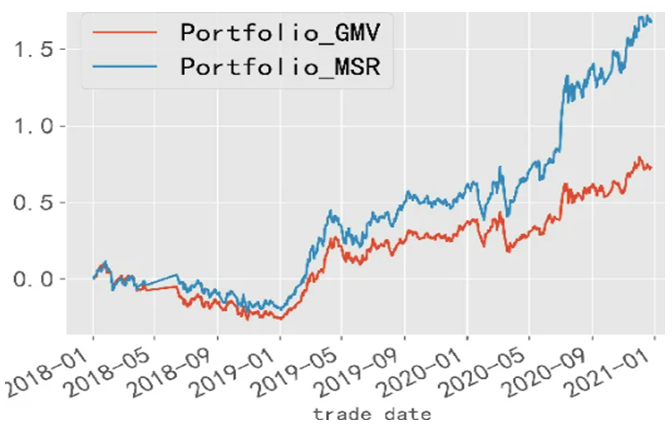
Source : researchgate
Different methods of calculating returns create confusion among investors.Standardization is essential for fair comparison across intermediaries.

Source:financestrategists.com
How a Performance Validation Agency Can Work
Intermediaries will provide their historical performance to the agency
The agency will check the data against standard validation testing methodologies
Only verified data will be allowed to be used in advertising
Investors will have access to verified data based on standard metrics and methodologies so they can objectively compare the performance of intermediaries
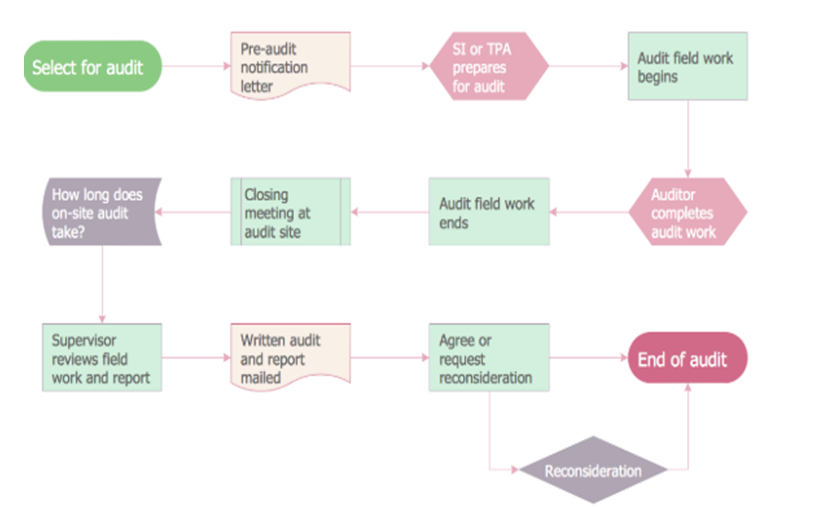
Source :Pinterest.in
The agency will verify submitted performance data using standardized methods.Only validated results can be presented to investors.
EFFECTS OF THIS INITIATIVE
Positive Impact
Improved Clarity: Investors will have access to reliable and validated performance data.
Increased Trust: Investor confidence in financial middlemen and capital markets will rise.
Improved Decision Making: Investors will make smart consumption choices as a result of their ability to easily compare services.
Reduction in Deceptive Practices: Fewer false and inflated claims will be made.
Negative Impact
Higher Compliance Fees: Operating costs will rise for middlemen.
Regulatory Compliance: Smaller companies will find compliance burdensome.
RISKS AND CHALLENGES
The complexity of implementing a centralized validation system necessitates an advanced infrastructure, skilled personnel, and the ability to coordinate with multiple stakeholders.
Data accuracy and integrity is one of the largest challenges in requiring that all of the data submitted by intermediaries is both accurate and complete. Failure to do this creates a potential for the entire system to be viewed as less credible than it should be.
The cost of compliance and verification will lead to increased costs for intermediaries that may ultimately be passed on to investors.
Market participants may not support regulatory and other regulatory changes if they affect their ability to market their products.
IMPACT ON THE ECONOMY
Immediate Effects
Adjusting to the new rules and regulations can be difficult for intermediary companies.
The regulations provide greater oversight.
It is hoped that the regulations will lead to reduced use of aggressive marketing techniques by intermediaries.
Ongoing Effects
Intermediaries will have a better and more transparent financial system.
There will be increased investor participation in the financial system.
More efficiently allocated capital will lead to sustained economic growth.
This program is meant to help create a solid and trustworthy capital market system, which is crucial for continued economic growth.
IMPACT ON CAPITAL MARKETS
Clarity of Information
Verified data will decrease the knowledge gap between both the investor and incentive for intermediaries.
Equal Opportunity for Competition
Intermediaries will be able to compete based on real performance rather than inflating their results through advertisements.
Increased Safety for Investors
The project's goal is to minimize fraud and provide more protection against false advertising to all investors.
Growth of Retail Investors
The establishment of confidence in the market will lead to a larger number of individual investors and therefore greater depth and liquidity in the market.

Source:pin.gov.in
Verified data ensures fair competition and reduces misleading practices.It encourages greater participation and strengthens capital markets.

Source:financestrategists
CONCLUSION
The SEBI's proposed creation of a Performance Validation Agency will be an important development for increasing transparency and accountability in India's capital markets. The objective is to ensure that capital market intermediaries are providing verified and uniform (standardized, calibrated) performance information. This initiative is intended to remove misleading activities such as misrepresentation of performance and enhance investor confidence.The creation of this type of agency may pose challenges such as an increase in compliance costs and operational complexities; however, the long-term advantages substantially outweigh the disadvantages. This initiative should foster increased fairness, better-informed investment decisions, and promote sustainable growth in the capital markets.Finally, this action by SEBI demonstrates its commitment to enhancing the protection of investors and developing a transparent, accountable, and efficient financial system.


Comments